Introducing the GN 5-Deck Stack Vibrating Screen for Domestic Iron-Ore Mines

1. Background – Why screening matters in iron-ore mining

In the domestic (within-country) iron-ore mining context, efficient separation and classification of fine particles is increasingly important. After primary crushing and grinding, a high fraction of fine material (e.g., sub-2 mm) often needs to be removed or classified before subsequent processes (e.g., beneficiation, pelletising, tailings disposal). Using an appropriate vibrating screen for fine material helps to:

  • reduce load on downstream equipment,

  • improve product sizing and quality,

  • decrease over-grinding and energy consumption.
    According to industry research, high-frequency or stack style vibrating screens (multi-deck) are especially useful for wet screening of fine particles, offering benefits of high throughput in a compact footprint.

Thus, the introduction of the GN 5-deck stack vibrating screen aligns well with the needs of iron-ore operations that have fine particle streams, narrow size distributions and space constraints.


2. Overview of the GN Stack Vibrating Screen

The GN Stack Vibrating Screen (also referred to as “Fine Sizer”) is a self-developed product by GN Separation, targeted at wet screening, classification and dehydration of fine-grained materials in mining, coal preparation and other industries.

Key features:

  • Configurable in 2 to 5 layers according to onsite requirement.

  • Driven by a single vibration source (dual vibration motor) using a two-degree-of-freedom resonance to realize linear motion of the full machine.

  • Adopted polyurethane screen mesh, with a high opening rate (28-45 %) and average life span of more than 6 months under appropriate conditions.

From the GN website: “It can be set to 2 to 5 layers according to on-site requirements. … It is designed … by using the principle of two-degree-of-freedom resonance to realise linear vibration of the whole machine.”

Because of its stacked structure, the machine offers a large effective screening area in a smaller footprint – a key advantage for mines where space is at a premium.


3. Technical Highlights & suitability for iron-ore mines

Here are some of the technical parameters and how they map to iron-ore operations:

Small and medium size models

  • Screen box layers: up to 5

  • Total screening area: 4.2 m² to 10.5 m²

  • Mesh size: 0.045-2 mm – suitable for fine classification

  • Inclination: 17.5°

  • Vibration frequency: 25 Hz

  • Dry-ore processing capacity examples: e.g., 10–30 m³/h for some 5-layer units

Medium and large size models

  • Layers: 3-5

  • Screening area: up to ~11.2 m²

  • Mesh size again 0.045-2 mm

  • Processing capacity: e.g., 14–42 m³/h dry ore for some 5-layer models

How this suits an iron-ore mine (domestic context):

  • The mesh size range covers fine classification tasks (down to ~0.045 mm) which may be required in modern beneficiation circuits or tailings management.

  • The high-opening polyurethane mesh and multi-deck structure increase throughput while keeping the footprint low – beneficial for retrofit or space-limited plants.

  • The linear vibration and stacking means less dynamic load and likely lower maintenance than more complex screens with elliptical or circular throws. According to GN: “high screening efficiency, large processing capacity, … simple structure, stable and reliable operation.”

  • For iron-ore mines looking to increase fine material recovery or to better classify tailings before disposal/pellet feed, this type of machine can be a strategic value addition.


4. Application scenario: Domestic iron-ore mine

Let’s walk through how the GN 5-deck stack vibrating screen could be integrated into a domestic iron-ore mine scenario.

Scenario: A mine processes crushed iron-ore, then feeds a grinding circuit. The underflow from a hydrocyclone or the overflow from a classifier has a fine fraction (say < 2 mm) which currently goes to tailings or is under-utilised. The plant wants to recover more material, reduce over-grinding, and reduce footprint for a new screening line.

Integration points:

  • At the output of the grinding circuit or classifier feed, a wet screening stage using the GN stack vibrating screen is installed. The feed slurry flows into the feed box (unit combination structure) and is distributed evenly across the layers.

  • The machine, configured in 5 decks, allows one machine to handle what might have required multiple conventional screens, reducing footprint and structural cost.

  • The fine-mesh polyurethane screens allow separation of particles in the range of 0.045-2 mm: this means the mine can split fines for separate treatment (e.g., fine ore feed, tailings, further processing).

  • With linear vibration and multi-layer design, the machine can achieve high screening efficiency, reducing the load on downstream equipment (ball mills, hydrocyclones) and improving throughput/capacity.

  • Maintenance benefits: GN offers wear resistant feeding box (polyurea resin spray), modular feed box units for quicker replacement, and high-opening mesh to reduce plugging.

Expected benefits for the mine:

  • Increased recovery of fine iron-ore particles, potentially boosting yield.

  • Smaller structural footprint – useful in retrofit or constrained plant layouts.

  • Lower operating power per unit area given efficient screening (GN claims energy-saving).

  • Enhanced overall classification sharpness – better feed into pelletising or beneficiation, and better tailings outlook.

  • Lower maintenance downtime for the screening unit, leading to higher uptime.


5. Key considerations & best practices

  • Material characteristics: The screening performance will depend on the ore’s size distribution, slurry density, viscosity and wear factors. GN notes that processing capacity varies greatly depending on materials and working conditions.

  • Feed distribution: Proper feed distribution to each deck is crucial. GN’s feeding box design (buffer plates, material distribution board) aims to ensure even distribution.

  • Maintenance of polyurethane mesh: While the mesh life is > 6 months in many cases (per GN), real-world wear (especially with abrasive iron ore) may reduce life – plan for replacements and inspect regularly.

  • Floor area vs. capacity trade-off: Even though the multi-deck design saves space, ensure structural support, access for maintenance and suitable height in plant layout.

  • Integration with downstream: The output of the screen (undersize/oversize) must be integrated with either fine ore feed, dewatering, or tailings processing. Ensuring that the classification cut aligns with downstream circuit is vital.

  • Operating parameters: Although mesh size, vibration frequency and inclination are given by GN (e.g., 25 Hz, 17.5° incline) checking that these are suitable for the specific ore and process is important.

  • Consultation & customisation: Given the variation in iron-ore feed types domestically, working with GN or a technical partner to customise deck count, mesh size, and feeding arrangements is recommended.


6. Why choose GN’s solution for domestic iron-ore mining?

  • Manufacturer experience: GN is a known manufacturer in the separation and vibrating screen domain. The stack vibrating screen is one of their self-developed products.

  • Multi-deck flexibility: With 2-5 decks available, the solution can scale to mine capacity and varying feed.

  • High-opening polyurethane mesh: Offers better screening of fine fractions, less plugging, and longer life.

  • Compact footprint, high throughput: The multi-deck stacked design means you get more screening area without multiplying length or width of equipment — helpful in retrofits or confined spaces.

  • Mining industry suitability: Although GN lists multiple industries (mining, coal prep, etc.), the technical parameters (mesh size, layers) make it applicable for fine classification in iron ore.

  • Maintenance-friendly features: E.g., modular feed box units, adjustable feeding box height, anti-corrosion and wear-resistant surfaces. These reduce downtime and operating cost.


7. Conclusion

For a domestic iron-ore mine aiming to improve fine particle recovery, optimise classification, reduce footprint and lower the maintenance burden of screening equipment, the GN 5-deck Stack Vibrating Screen offers a compelling option. By leveraging its stacked multi-layer design, high-opening polyurethane mesh, and mining-grade componentry, the solution can meet the evolving demands of modern ore processing circuits.

If you are planning a retrofit screening stage, or want to revise your fine-ore classification circuit, considering this machine from GN could help you enhance throughput, reduce over-grinding, and improve downstream efficiency.

GN Separation Will Participate in CCME 2025

GN Separation is pleased to announce our participation in The China Coal & Mining Expo (CCME) 2025, which will be held from October 28 to 31, 2025, at the Capital International Convention and Exhibition Center (Shunyi, Beijing). We sincerely invite all our partners and visitors from the mining and industrial sectors to visit Booth A4601 to explore our advanced solid-liquid separation solutions.

As a leading manufacturer of separation and conveying equipment, GN Separation will showcase a selection of our high-performance products designed for the coal mining and mineral processing industries. These include:

  • Large Flip-Flow Vibrating Screen

  • Tailing Dewatering Decanter Centrifuge

  • Underground Coal Mine Slurry Separation System


Large Flip-Flow Vibrating Screen

The GN Large Flip-Flow Vibrating Screen is designed for efficient screening of wet, sticky, and fine materials that are difficult to process with conventional vibrating screens. It adopts a dual-mass vibration system that produces strong elastic shear forces on the screen surface, allowing for the effective loosening and stratification of materials.

Key features include:

  • High Elastic Screen Panels: The polyurethane screen panels stretch and relax continuously under vibration, preventing material blockage and ensuring consistent screening efficiency.

  • Wide Screening Range: Suitable for processing materials from coal, metallurgical ores, construction waste, and other industries.

  • Robust Structure: The screen box and supporting frame are made of high-strength materials to ensure stable operation even under heavy-duty conditions.

  • Efficient Energy Use: The vibration design allows for large amplitude and low dynamic load, improving both screening capacity and operational reliability.

This flip-flow screen is especially effective in handling materials with high moisture and fine particle content, such as coal slime, tailings, and aggregates. By combining high elasticity and efficient separation, it delivers exceptional performance in dewatering and classification processes.


Tailing Dewatering Decanter Centrifuge

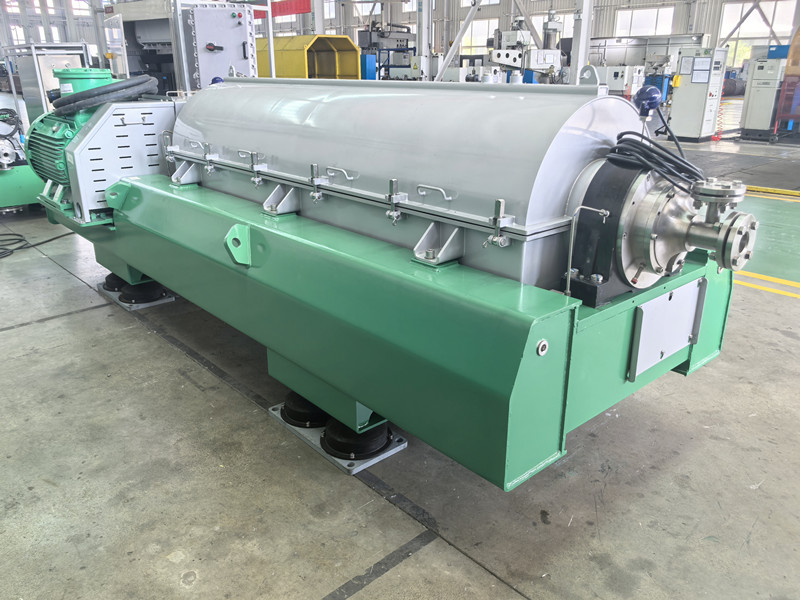
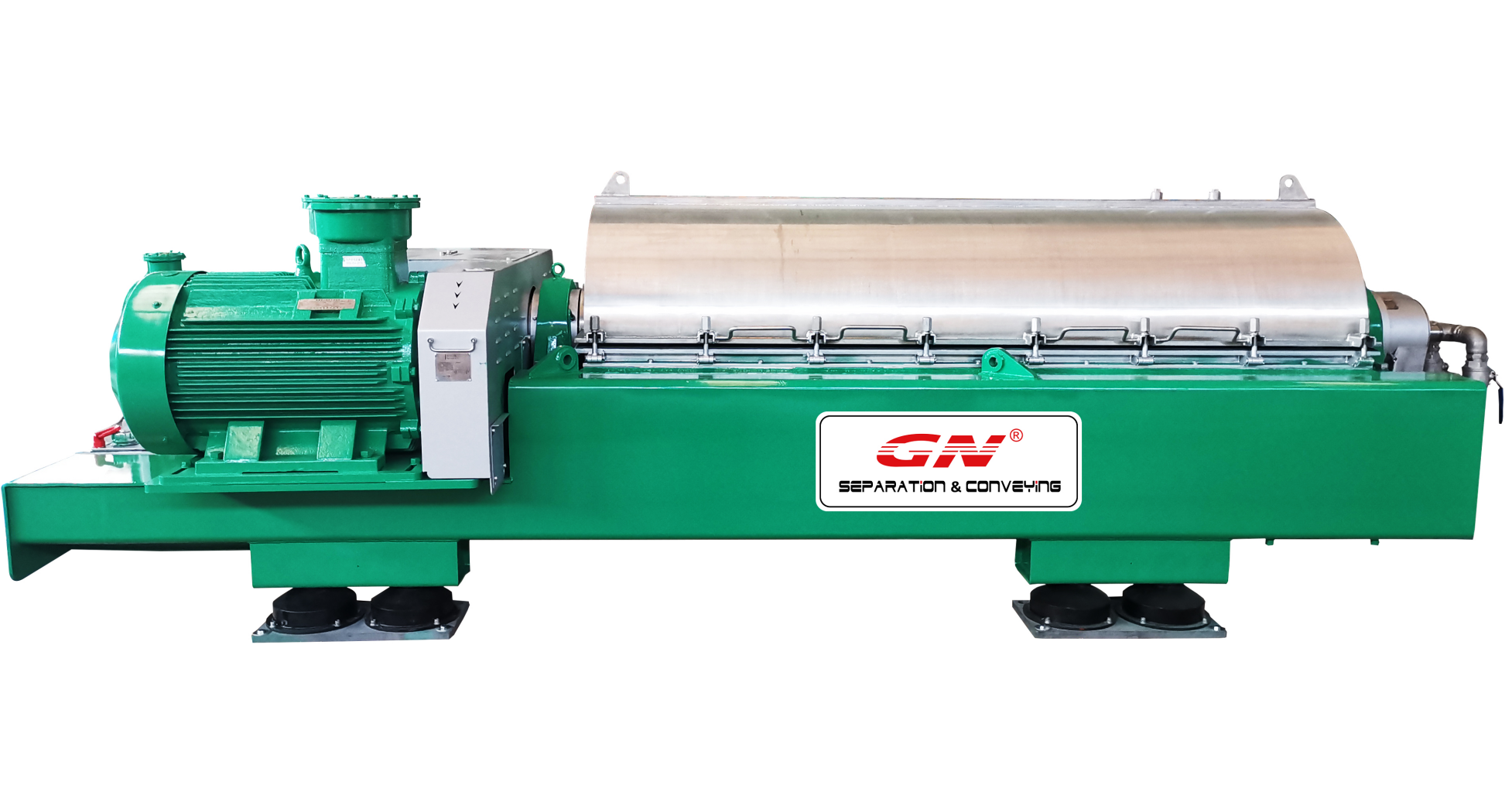
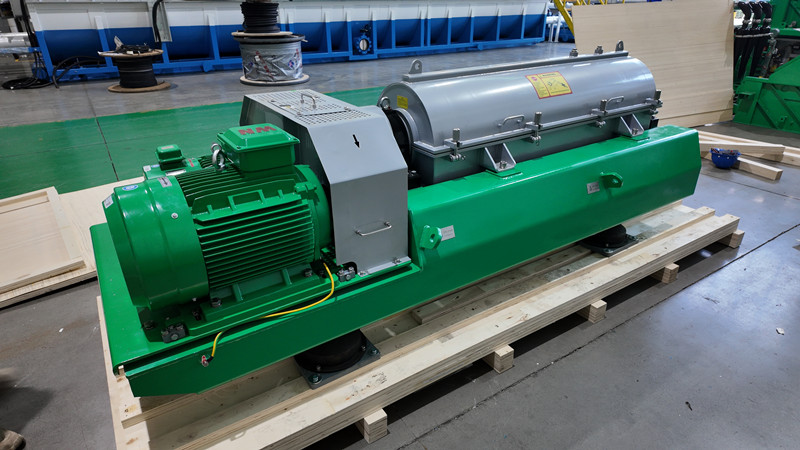
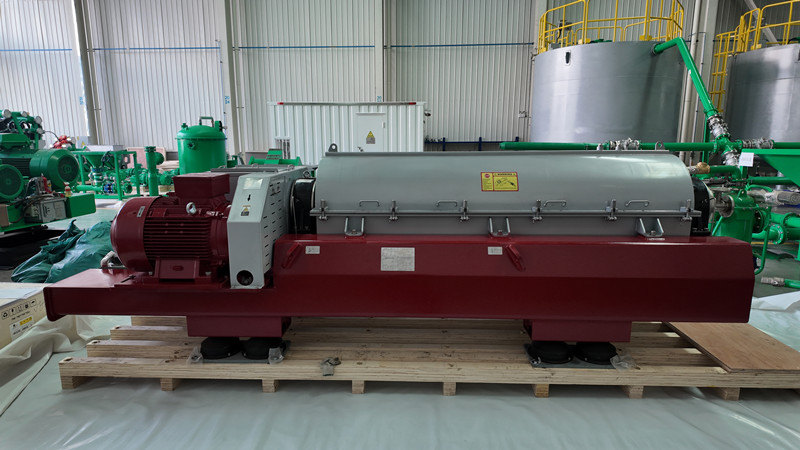
GN’s Tailing Dewatering Decanter Centrifuge provides a reliable and continuous solution for separating solids from mining tailings. Through high-speed rotation, solid particles are efficiently separated from the liquid phase, significantly reducing moisture content in the discharged cake. The equipment helps mining plants minimize environmental impact and recover water resources for reuse, aligning with sustainable development goals in the mining industry.


Underground Coal Mine Slurry Separation System

The Underground Coal Mine Slurry Separation System is specially designed for mine environments with limited space and complex conditions. The system integrates screening, desanding, and dewatering functions to separate slurry and solids effectively. It ensures safer and cleaner mining operations by improving water recycling and reducing waste discharge underground.


GN Separation looks forward to meeting you at CCME 2025. Visit Booth A4601 to learn more about our comprehensive solutions for coal and mining applications.
We welcome you to discuss your project needs and explore how GN’s technologies can bring greater efficiency and reliability to your operations.

The Wide Application of Decanter Centrifuges Across Industries

In today’s industrial landscape, decanter centrifuges have become indispensable equipment for solid–liquid separation. With continuous operation, sealed construction, and adaptability to a wide range of materials, they offer efficient, reliable, and environmentally friendly performance across multiple industries. From wastewater management to food processing and energy production, decanter centrifuges are playing a vital role in promoting resource recovery and sustainable development.


1. Municipal and Industrial Wastewater Treatment

One of the most common uses of decanter centrifuges is in wastewater treatment plants, both municipal and industrial. The centrifuge efficiently separates and dewaters sludge generated from various biological and chemical treatment processes. Compared with traditional filtration systems, it offers continuous operation, minimal manual handling, and fully enclosed performance that helps reduce odor and environmental pollution.


2. Oil and Gas Industry

In the oil and gas sector, decanter centrifuges are applied in:

  • Drilling mud solids control, maintaining drilling fluid quality by removing fine particles;

  • Crude oil tank bottom and oily sludge treatment, recovering valuable oil and reducing waste;

  • Waste oil recycling, separating oil, water, and solids for resource reuse.

Their robust construction and ability to handle high-viscosity, abrasive materials make them ideal for demanding oilfield and refinery environments.


3. Mining and Mineral Processing

In the mining industry, decanter centrifuges are used for tailings dewatering, ore slurry thickening, and process water clarification. They help minimize the environmental footprint of tailings ponds and allow efficient water recovery for reuse within the plant. Decanter centrifuges also enable faster drying of concentrates, improving downstream processing efficiency and reducing overall operation costs.


4. Chemical and Pharmaceutical Industries

In chemical and pharmaceutical manufacturing, decanter centrifuges perform precise separation of solids and liquids in reaction, crystallization, and extraction processes. They are commonly used for:

  • Recovery of catalysts or crystal products;

  • Separation of active ingredients and residues;

  • Clarification of fermentation or chemical solutions.

GN Separation’s centrifuges are designed with stainless steel contact parts, CIP cleaning options, and automated control systems, ensuring safe and hygienic operation even under complex process conditions.


5. Food and Beverage Processing

The food and beverage industry relies on decanter centrifuges for hygienic and efficient separation of raw materials. Typical applications include:

  • Clarification of fruit and vegetable juices;

  • Dewatering of starch or plant-based protein slurry;

  • Recovery of animal fats and proteins;

  • Treatment of fermentation residues in breweries and distilleries.

By maintaining consistent separation quality and gentle handling of products, decanter centrifuges help preserve taste, color, and nutritional integrity.


6. Environmental Remediation and Waste Recycling

Decanter centrifuges are increasingly used in environmental protection and waste recycling projects. Applications include oily sludge treatment, soil washing, industrial wastewater recycling, and hazardous waste minimization. Through effective solid–liquid separation, they enable resource recovery and help industries meet stricter environmental regulations.


7. Renewable Energy and Biofuel Production

In the renewable energy sector, decanter centrifuges support biogas, biodiesel, and bioethanol production. They separate digestate or biomass residues, recover valuable liquids, and purify process streams. This not only improves energy efficiency but also contributes to a more sustainable circular economy.


8. Marine and Power Generation

For marine and power generation applications, decanter centrifuges are used to treat bilge water, lubricating oil, and fuel oil, as well as ash pond sludge and cooling water in power plants. Their stable, automatic operation reduces maintenance needs and supports continuous industrial operation.


Conclusion

From municipal wastewater to renewable energy, decanter centrifuges have proven their versatility and efficiency in almost every field requiring solid–liquid separation. Their ability to deliver continuous, high-performance operation under demanding conditions makes them a cornerstone of modern environmental and industrial processes.

At GN Separation, we design and manufacture a full range of dewatering, thickening, and classification decanter centrifuges to meet diverse process needs. With years of engineering experience and global project references, GN Separation is committed to providing reliable and cost-effective separation solutions for our customers worldwide.

GN Separation looks forward to working with you to build a cleaner and more sustainable future.

GN Solids Vacuum Pumps for Efficient Material Transfer

In many industries such as mining, wastewater treatment, tunneling, oil & gas, and food processing, the transfer of solids is an important part of operations. GN Separation’s Solids Vacuum Pump (also called a sludge vacuum pump) provides a practical solution for moving powders, slurries, sludge, and other challenging materials.

What Is a Solids Vacuum Pump?

A solids vacuum pump uses compressed air to create negative pressure for suction and positive pressure for discharge. Since it is powered entirely by compressed air, there is no need for an electrical motor, which allows safe use in environments where explosion-proof equipment is required.


Main Features and Specifications

GN offers three models of Solids Vacuum Pumps—GNSP-10B, GNSP-20B, and GNSP-40B—and can also provide grouped or skid-mounted systems for larger capacities.

Parameter Range / Value
Max Capacity 10, 20, or 40 m³/h
Inlet / Outlet Size 3″ (89 mm) to 4″ (114 mm)
Vacuum Degree Approx. 25 inHg (~ 85 kPa)
Max Suction Distance Up to 50 m
Max Discharge Distance 500 m–1,000 m (depending on model)
Max Solids Content Up to ~ 80%
Max Solids Size 50 mm–75 mm
Air Supply Pressure 550–785 kPa (≈ 80–114 PSI)
Air Consumption ~ 4.3–17 m³/min (150–600 CFM)

The pump can operate in manual or automatic mode, with valve switching between suction and discharge.


Typical Applications

The solids vacuum pump can be used in:

  • Thickener desluging

  • Mining slurry and tailings transfer

  • Tunnel boring machine (TBM) slurry removal

  • Shaft and sump cleaning

  • Oil spill recovery and transfer

  • Drilling cuttings and mud handling

  • Ship and ballast tank cleaning

  • Hazardous waste recovery

  • Bulk transfer of powders and slurries

  • Tank and wastewater sump cleaning

  • Under-belt material cleanup

  • Dredging and pond sludge removal


Points to Consider When Selecting

When evaluating a solids vacuum pump, it is useful to clarify:

  • Required flow rate (m³/h)

  • Maximum solids content in the material

  • Maximum particle size

  • Suction lift height and discharge distance

  • On-site air pressure and air volume

  • Operating mode (continuous or intermittent)

  • Safety requirements (e.g., explosion-proof)

  • Need for automated or manual operation

  • Whether a single unit or a multi-unit system is preferred

Providing this information helps ensure the right selection for the intended application.


Conclusion

GN’s Solids Vacuum Pump offers a practical approach for transferring sludge, slurry, powders, and other solid-containing materials in a wide range of industries. With its air-driven design, solids-handling capability, and flexible installation options, it can be applied to many process conditions.

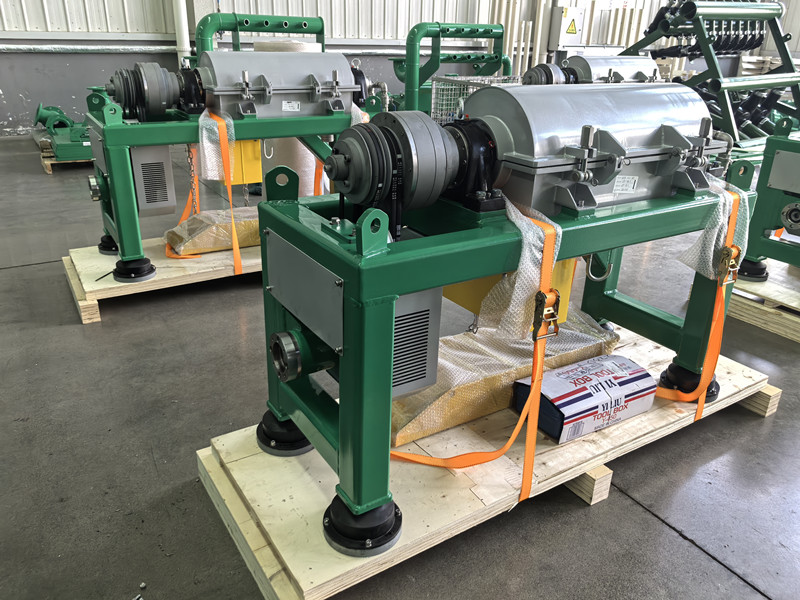
Efficient Sludge Dewatering with GN Separation: GNLW364 Centrifuge & GNSJY3000 Chemical Dosing Unit

At GN Separation, our mission is to deliver high-performance, reliable, and sustainable solutions for solid–liquid separation. Two flagship pieces of equipment that illustrate this are the GNLW364 sludge dewatering centrifuge and the GNSJY3000 chemical dosing unit. Recently, we successfully deployed these systems in overseas sludge dewatering projects—here’s how they work together to deliver superior results.


GNLW364 Sludge Dewatering Centrifuge

The GNLW364 is a 14-inch bowl, high-speed decanter centrifuge engineered specifically for wastewater and sludge dewatering applications. Some of its key features:

  • Robust Drive System & Control Cabinet: Equipped with a dual-motor drive and a three-frequency conversion control cabinet that allows independent control over the main motor, back drive motor, and feed pump. This ensures optimal performance to match the characteristics of the sludge.

  • Wear Resistance & Materials: Critical parts such as the screw conveyor and discharge ports are protected with tungsten carbide inserts. The bowl assembly is made from duplex stainless steel for both strength and corrosion resistance.

  • Safety & Monitoring: Real-time vibration and temperature sensors, along with PLC-based overload protection, provide continuous and safe operation.

  • Separation Efficiency: The centrifuge is designed for high solids loading and delivers excellent dryness of discharged solids, suitable for municipal and industrial sludge applications.


GNSJY3000 Chemical Dosing Unit

To enhance the performance of the centrifuge, particularly when dealing with ultra-fine solids, GN Separation offers the GNSJY3000 chemical dosing unit. Key aspects include:

  • Purpose & Function: Used to flocculate fine particles that cannot be efficiently removed by centrifugation alone, thereby improving separation and effluent clarity.

  • Flexible Configuration: Designed to handle either liquid or powdered chemicals, with optional configurations for different operating environments.

  • Capacity & Operation: The dosing capacity can be adjusted according to the sludge characteristics and centrifuge throughput. Clients can choose the system configuration based on required dosing rates and safety needs.

  • Integration: The dosing unit works seamlessly with the centrifuge, enabling automated or semi-automated control of chemical addition, leading to more stable operation and reduced chemical consumption.


Combined Workflow: GNLW364 + GNSJY3000 in Sludge Dewatering Projects

  1. Feed Conditioning: Sludge is analyzed for solids content and particle size. If fine particles are present, the dosing unit is engaged to condition the sludge.

  2. Chemical Dosing: Coagulants or flocculants are precisely added through the GNSJY3000 to enhance separation.

  3. Centrifugation: The conditioned sludge is processed by the GNLW364, which captures solids and discharges clarified liquid.

  4. Outcome: Higher dryness of solids, cleaner effluent, reduced transport costs, and improved overall efficiency.


Why Choose GN Separation

  • Customization: Equipment can be tailored to specific feed conditions and project requirements.

  • Durability: Premium materials and wear-resistant protections ensure long service life.

  • Proven Success: The GNLW364 centrifuge and GNSJY3000 dosing unit have already been applied in overseas sludge dewatering projects with reliable results.


If you are considering a sludge dewatering project and require stable performance, high efficiency, and cost-effective operation, GN Separation’s GNLW364 centrifuge combined with the GNSJY3000 chemical dosing unit is the right choice. Contact us to learn more about how we can support your project needs.