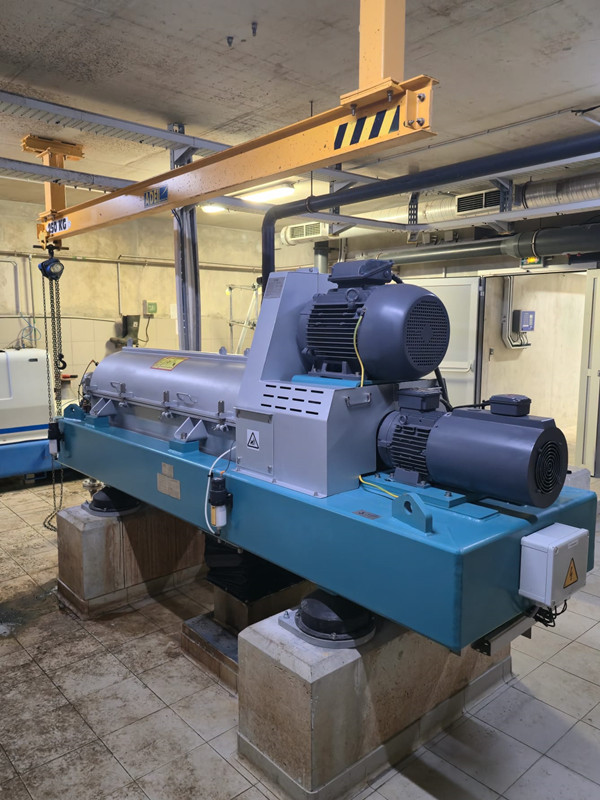
14-Inch Sludge Dewatering Decanter Centrifuge for Overseas Wastewater Treatment Plants

Efficient Sludge Dewatering for Municipal and Industrial Wastewater Treatment

Sludge management is one of the most important challenges faced by modern wastewater treatment plants. After biological, chemical, or physical treatment, wastewater plants generate large quantities of sludge that must be efficiently dewatered before transportation, disposal, reuse, or further treatment.

For overseas wastewater treatment plants looking for a compact, continuous, and reliable sludge dewatering solution, the GN 14-inch sludge dewatering decanter centrifuge provides an effective option.

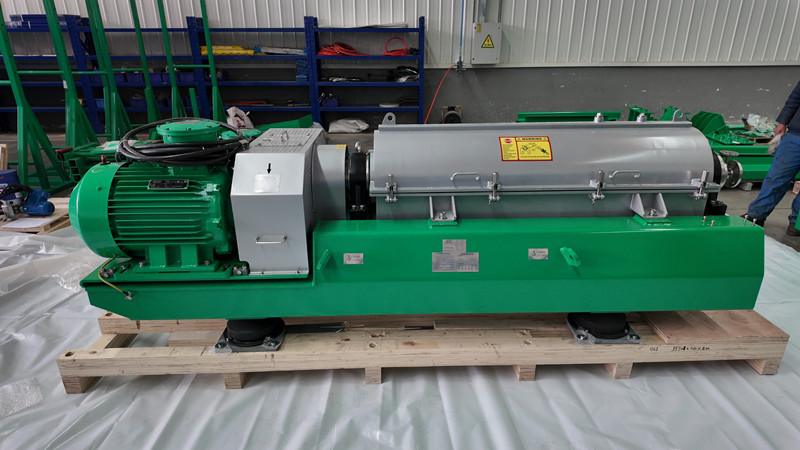
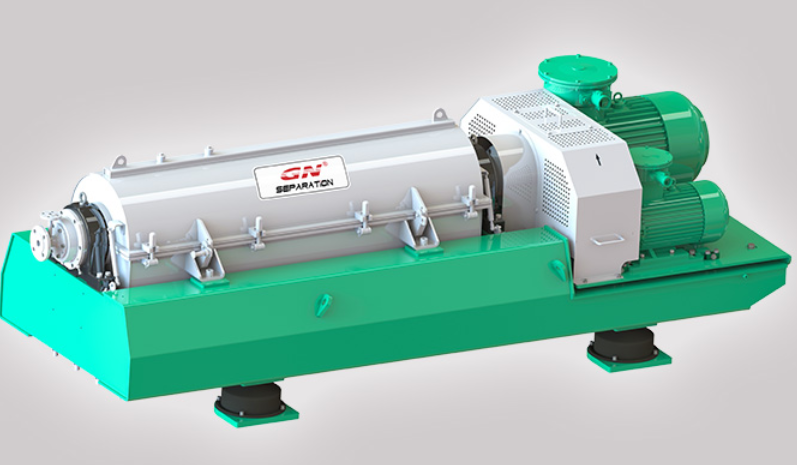
The GN GNLW-364GT is a high-speed horizontal screw decanter centrifuge with a 360 mm bowl diameter, equivalent to approximately 14 inches. It is specifically designed for dewatering applications where reducing sludge volume and increasing discharged solids dryness are key objectives.

Why Use a Decanter Centrifuge for Sludge Dewatering?

Traditional sludge dewatering equipment, such as belt filter presses and screw presses, can be effective in many applications. However, wastewater treatment plants may require higher throughput, continuous operation, a smaller footprint, or more automated operation.

A decanter centrifuge separates solids and liquids using centrifugal force. Sludge is continuously fed into the rotating bowl, where the heavier solid particles settle against the bowl wall. A rotating screw conveyor continuously transports the separated solids toward the discharge end, while clarified liquid flows out from the opposite side.

This continuous separation process allows the centrifuge to operate without frequent interruption for solids removal.

For sludge containing a high proportion of fine particles, polymer conditioning is normally used before centrifugation. The polymer causes fine suspended particles to agglomerate into larger flocs, making them easier to separate from the liquid phase.

GN 14-Inch Decanter Centrifuge: GNLW-364GT

The GNLW-364GT belongs to GN’s T Series dewatering decanter centrifuges.

The main specifications include:

  • Bowl diameter: 360 mm (approximately 14 inches)
  • Bowl length: 1,520 mm
  • Maximum bowl speed: 3,964 RPM
  • Maximum centrifugal force: 3,200 G
  • Bowl length/diameter ratio: 4.2
  • Main motor: 22 / 30 / 37 kW
  • Back-drive motor: 7.5 / 11 kW
  • Beach angle: 8.5°

The actual processing capacity depends strongly on sludge characteristics, including solids concentration, particle size distribution, viscosity, specific gravity, polymer type and dosage, and the required separation performance. Therefore, the final capacity should always be confirmed based on the specific sludge conditions.

Designed for Maximum Dewatering

The GN T Series uses an 8.5-degree beach angle. This geometry provides a relatively long dewatering section inside the centrifuge, allowing separated solids to remain in the dewatering zone for longer before discharge.

The objective is to achieve a higher solids dryness rather than simply maximizing liquid clarity.

This makes the GNLW-364GT particularly suitable for wastewater applications where reducing the amount of water carried out with the sludge is important.

Drier discharged sludge can provide several benefits:

  • Reduced sludge transportation costs
  • Lower disposal volume
  • Easier handling and conveying
  • Reduced downstream treatment requirements
  • Improved overall sludge management efficiency

Application in Overseas Wastewater Treatment Plants

GN dewatering decanter centrifuges can be applied to a wide range of wastewater and sludge treatment processes, including:

  • Municipal wastewater treatment plants
  • Industrial wastewater treatment plants
  • Food processing wastewater
  • Chemical wastewater
  • Mining wastewater
  • Construction wastewater
  • Water treatment plant sludge
  • River and lake dredging sludge
  • Organic wastewater
  • Oily sludge and other difficult-to-handle sludge streams

For international projects, the centrifuge can also be integrated into a complete sludge dewatering system, including sludge transfer, polymer preparation and dosing, flocculation, centrifuge separation, solids conveying, and filtrate collection.

Polymer Dosing and Sludge Conditioning

Fine sludge particles are often difficult to separate directly because they remain suspended in water.

A polymer dosing system can be installed upstream of the centrifuge to condition the sludge. The polymer binds fine particles together and forms larger flocs, which can then be more efficiently separated by centrifugal force.

The optimal polymer type and dosage depend on the characteristics of the incoming sludge. In practical wastewater treatment projects, a jar test or laboratory test is recommended to determine the appropriate polymer before finalizing the dosing system.

GN can also provide integrated chemical dosing equipment as part of a complete sludge dewatering solution.

Compact Design and Continuous Operation

One of the major advantages of a decanter centrifuge is its continuous operating principle.

Unlike batch-type dewatering processes, the centrifuge can continuously receive sludge, separate solids from liquid, and discharge dewatered solids.

The GNLW-364GT also uses a compact two-motor arrangement, with the main motor and back-drive motor positioned at the same end of the machine. This helps reduce the overall footprint and simplifies equipment layout within a wastewater treatment plant.

For overseas projects where available installation space is limited, this compact configuration can be particularly advantageous.

Reliable Construction for Long-Term Operation

Wastewater sludge can be abrasive and corrosive, making material selection and wear protection important considerations for long-term operation.

GN’s dewatering centrifuges use stainless-steel materials for major rotating components, with options including duplex stainless steel. Wear-prone areas can be protected using hard alloy materials.

The solids discharge area can be equipped with tungsten carbide wear protection, while replaceable wear-resistant components help simplify maintenance and extend service life.

The screw conveyor can also be fitted with replaceable wear-resistant alloy protection according to the characteristics of the application.

High-Speed Dynamic Balancing

A decanter centrifuge operates at several thousand revolutions per minute. Dynamic balance is therefore critical for safe and stable operation.

GN performs multiple dynamic balancing processes on the main rotating components, including balancing at medium speed, balancing at the actual operating speed, and final machine balancing.

The objective is to minimize vibration and maintain stable operation under high-speed conditions.

Intelligent Monitoring and Automatic Protection

Modern wastewater treatment plants increasingly require automated equipment that can be integrated into centralized plant control systems.

The GN decanter centrifuge can be equipped with an electrical control system incorporating PLC, HMI, and variable frequency drive technology.

Operating parameters such as:

  • Bowl speed
  • Bearing temperature
  • Vibration
  • Main motor current
  • Back-drive motor current
  • Screw torque
  • Lubrication conditions

can be monitored during operation.

The system can also provide alarms and automatic protection against abnormal operating conditions such as overload, phase loss, short circuit, or excessive torque.

Selecting the Right Decanter Centrifuge for Your Wastewater Plant

A 14-inch centrifuge can be an excellent solution for many small- and medium-scale wastewater sludge dewatering applications. However, selecting a centrifuge should never be based on bowl diameter alone.

Before recommending the final model, the following information should normally be considered:

  1. Sludge flow rate – m³/h
  2. Dry solids loading – kg/h
  3. Feed solids concentration – %
  4. Sludge density
  5. Particle size distribution
  6. Organic and inorganic content
  7. Sludge viscosity
  8. pH and temperature
  9. Required cake dryness
  10. Required centrate clarity
  11. Polymer type and dosage
  12. Available electrical power supply

For example, two wastewater plants may both have a sludge concentration of 3%, but their required centrifuge capacities can be significantly different because of differences in sludge characteristics and required separation performance.

A Complete Sludge Dewatering Solution

For overseas wastewater treatment projects, GN can provide more than the centrifuge itself.

A complete sludge dewatering package can include:

Sludge Feed → Polymer Preparation → Polymer Dosing → Flocculation → Decanter Centrifuge → Dewatered Sludge Conveying → Centrate Collection

This integrated approach allows the equipment to be designed around the complete treatment process rather than treating the centrifuge as an isolated machine.

Depending on project requirements, the system can also be configured with automated control, skid-mounted equipment, containerized solutions, and customized electrical systems for different international markets.

Conclusion

The GN GNLW-364GT 14-inch sludge dewatering decanter centrifuge offers a compact and continuous solution for wastewater treatment plants that require efficient sludge dewatering.

With a 360 mm bowl diameter, maximum speed of 3,964 RPM, centrifugal force up to 3,200 G, 8.5-degree beach angle, and 22–37 kW main motor options, the centrifuge is designed to provide high-performance solid-liquid separation while maintaining a compact footprint.

For overseas municipal and industrial wastewater treatment plants, the key is not simply selecting a centrifuge with the largest capacity. The equipment should be properly matched to the sludge characteristics, solids loading, required cake dryness, centrate quality, and overall plant configuration.

GN can evaluate the sludge characteristics and recommend a suitable decanter centrifuge and complete sludge dewatering system based on the actual project requirements.

A Batch of GNSP20B Solids Vacuum Pumps Ready for Shipment

GN Separation has recently completed the assembly, testing, and inspection of a batch of GNSP20B Solids Vacuum Pumps, which are now ready for shipment to overseas customers. These units will be used for a variety of material transfer applications, including sludge handling, industrial waste transfer, mining slurries, wastewater treatment, and bulk solids conveying.

Reliable Pneumatic Conveying Solution

The GNSP20B Solids Vacuum Pump is a fully pneumatic conveying system designed to transfer solids, sludge, slurry, powders, and other challenging materials without the need for electrical power. Powered entirely by compressed air, the pump generates a high vacuum to draw material into the vessel and then uses positive pressure to discharge it to the desired location. This design makes it particularly suitable for hazardous or explosion-proof environments where electric-driven pumps may not be ideal.

Unlike conventional pumps, the GNSP20B features a simple structure with no rotating parts inside the conveying chamber. This reduces wear, minimizes maintenance requirements, and enhances reliability when handling abrasive or high-solids-content materials. The pump can handle sludge and powder materials with solids content of up to 80%, making it a versatile solution across many industries.

Key Features of GNSP20B

The GNSP20B model offers a maximum conveying capacity of 20 m³/h under water-equivalent conditions. It is equipped with a 4-inch (114 mm) inlet and outlet connection and can discharge materials over distances of up to 500 meters, depending on material characteristics and site conditions. The unit can handle particles up to 50 mm in size and requires compressed air pressure between 550–690 kPa (80–100 PSI).

Additional advantages include:

  • Fully air-operated design with no electrical power requirement.
  • Compact footprint for easy installation and transportation.
  • Low maintenance due to the absence of internal rotating components.
  • Capable of conveying sludge, slurry, powder, and granular materials.
  • Suitable for both fixed installations and mobile applications.
  • Optional suction heads available for different material types and operating conditions.

Wide Range of Applications

GN Solids Vacuum Pumps are widely used across multiple industries where difficult-to-handle materials need to be transferred efficiently. Typical applications include:

  • Wastewater treatment plant sludge transfer
  • Thickener and clarifier desludging
  • Oil sludge and tank bottom cleaning
  • Mining slurry and tailings transfer
  • Drilling mud and drilling cuttings conveying
  • TBM and tunneling projects
  • Hazardous waste recovery
  • Bulk powder and granular material transfer
  • Industrial sump, pit, and shaft cleaning operations

The flexibility of the GNSP20B allows operators to move materials over long distances while minimizing labor requirements and reducing downtime.


Sludge Dewatering Screw Press Package Ready for Shipment to European Client

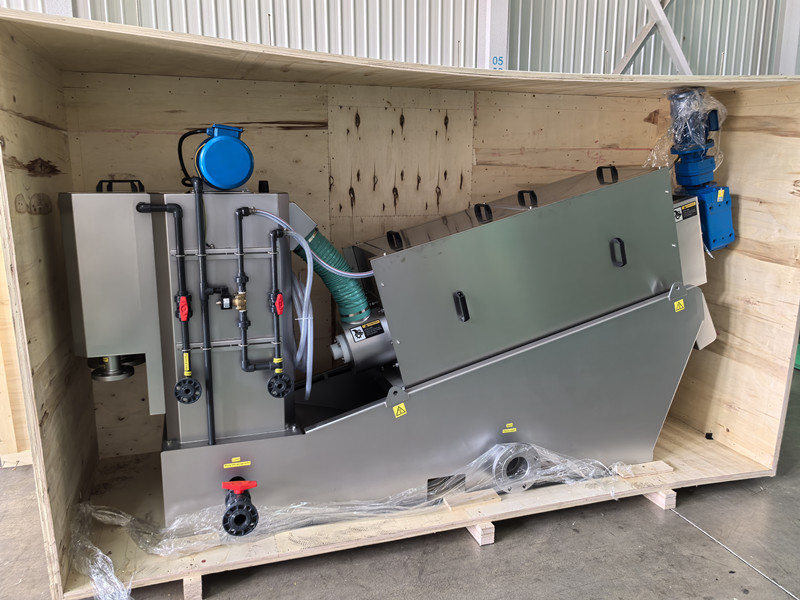
GN Separation has recently completed the manufacturing and final inspection of a complete Sludge Dewatering Screw Press Package, which is ready for shipment to a European client. The supplied system includes a GN Screw Press GNDL303 and a GNSJY3000 Automatic Chemical Dosing Unit, providing an integrated solution for efficient sludge conditioning and dewatering.

Complete Sludge Dewatering Solution

Sludge management is a critical challenge for wastewater treatment plants and industrial facilities. Effective dewatering can significantly reduce sludge volume, lower transportation and disposal costs, and improve overall treatment efficiency.

The GN Sludge Dewatering Screw Press Package combines mechanical dewatering technology with automatic polymer preparation and dosing. The system is designed to continuously process sludge, improve solid-liquid separation, and produce a more concentrated and easier-to-handle sludge cake.

The package consists of:

GNDL303 Screw Press Dewatering Machine
GNSJY3000 Chemical Dosing Unit
Integrated control system
Sludge conditioning and dewatering components
GN GNDL303 Screw Press: Efficient and Reliable Sludge Dewatering

The GNDL303 Screw Press is designed for continuous sludge thickening and dewatering applications. It utilizes a slowly rotating screw mechanism combined with fixed and moving rings to generate progressive compression pressure, allowing water to be separated from sludge while maintaining low energy consumption.

Key advantages of the GNDL303 include:

1. Continuous Automatic Operation

The screw press system can operate continuously with minimal operator intervention. The integrated control system allows coordinated operation of sludge feeding, flocculation, thickening, and dewatering processes.

2. Low Energy Consumption

Compared with traditional sludge dewatering equipment, the screw press operates at a low rotational speed, resulting in reduced power consumption and lower operating costs.

3. Compact Design

The compact structure of the GNDL303 makes it suitable for wastewater treatment facilities where installation space is limited.

4. Stable Dewatering Performance

Through gradual compression and controlled pressure increase, the system effectively removes water from sludge and produces a concentrated sludge cake suitable for transportation, disposal, or further processing.

GNSJY3000 Chemical Dosing Unit: Optimizing Sludge Conditioning

Chemical conditioning plays an important role in sludge dewatering performance.

Before entering the screw press, sludge is mixed with prepared polymer solution. The polymer helps fine sludge particles form larger flocs, improving water release and enhancing separation efficiency.

The GNSJY3000 Chemical Dosing Unit is designed for automatic polymer preparation, maturation, and dosing. It provides stable chemical concentration and accurate dosing control, helping operators achieve consistent dewatering results.

Factory Preparation and Shipment

Before shipment, GN engineers completed the assembly, inspection, and functional checks of the complete package to ensure that all components meet project requirements.

The modular design allows easier transportation, installation, and commissioning at the customer’s site.

GN Separation continues to provide complete sludge treatment solutions for municipal wastewater, industrial wastewater, mining, and other environmental applications worldwide.

From individual dewatering equipment to complete integrated systems, GN works closely with customers to develop reliable and cost-effective solid-liquid separation solutions.

For more information about GN Sludge Dewatering Screw Press Package, please contact GN Separation.

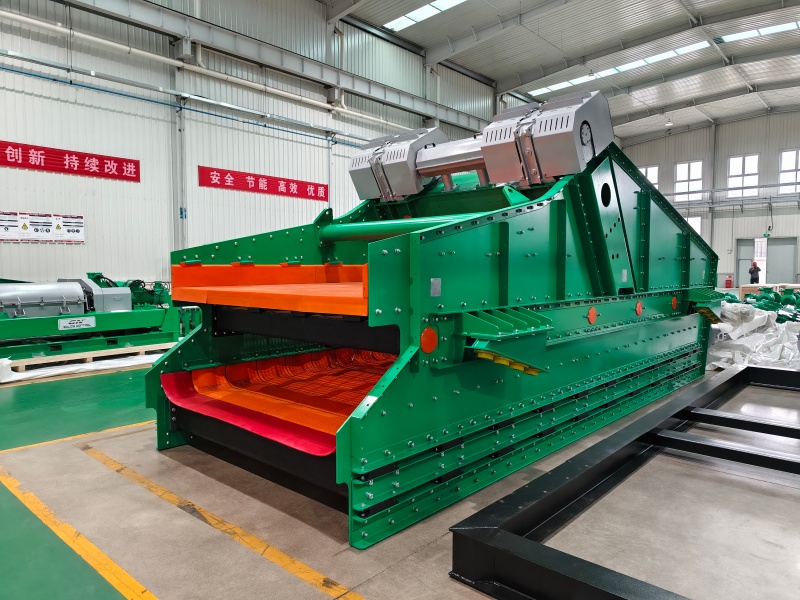
GN Large Linear Vibrating Screen GNLS3073 Delivered to Domestic Mining Company

Enhancing Mining Efficiency with High-Capacity Screening Technology

GN Separation has recently completed the manufacturing and delivery of a Large Linear Vibrating Screen GNLS3073 for a domestic mining company. The equipment is designed to meet the demanding requirements of modern mineral processing operations, providing efficient screening performance, reliable operation, and long service life under continuous heavy-duty working conditions.

In mining and mineral processing applications, effective screening plays an important role in improving product quality, optimizing downstream processes, and reducing operational costs. With its large screening area and strong processing capability, the GNLS3073 Large Linear Vibrating Screen provides an ideal solution for high-volume material classification and separation.

Overview of GN Large Linear Vibrating Screen

The GN Large Linear Vibrating Screen is a high-capacity screening machine widely used in industries including mining, mineral processing, coal preparation, aggregate production, building materials, and chemical processing.

The equipment mainly consists of a box-type vibration exciter, screen box, vibration damping springs, support structure, and driving system. Through a forced synchronization vibration mechanism, the screen body moves in a linear trajectory, allowing materials to be evenly distributed and efficiently separated on the screen surface.

The linear motion design provides strong conveying force and stable material movement, helping achieve effective classification, dewatering, and desliming performance.

GNLS3073: Designed for Heavy-Duty Mining Applications

The GNLS3073 model is engineered specifically for large-scale mining operations where high throughput and robust structural performance are required.

Key advantages include:

1. Large Screening Capacity

With an optimized screening area and powerful vibration force, GNLS3073 can handle large volumes of mineral materials while maintaining stable screening efficiency. It is suitable for continuous operation in demanding mining environments.

2. Strong Structural Reliability

The screen structure adopts a heavy-duty design to withstand impact loads and long-term operation. High-strength materials and optimized structural design improve equipment durability and reduce maintenance requirements.

3. Efficient Material Separation

The linear vibration trajectory allows materials to move smoothly across the screen surface, promoting better material stratification and improving screening accuracy.

4. Flexible Configuration

The screen surface can be customized according to different process requirements, including single-layer or double-layer screening configurations. Screen panels can also be selected based on different material characteristics and particle sizes.

Advanced Design Features

GN Large Linear Vibrating Screens are developed with several design features to improve performance and reliability:

  • High-strength alloy steel screen structure with excellent impact resistance
  • Optimized vibration parameters through structural analysis
  • Gearbox-type vibration exciter with stable operation and long service life
  • Adjustable vibration amplitude according to different working conditions
  • Modular screen panels for convenient replacement and maintenance
  • Wear-resistant protection solutions for abrasive materials

These features allow GN vibrating screens to maintain reliable performance in harsh mining environments.

Wide Applications in Mining and Mineral Processing

GN Large Linear Vibrating Screens are commonly used in various process stages, including:

  • Wet screening
  • Dewatering
  • Desliming
  • Mineral classification
  • Tailings dry discharge
  • Coal processing
  • Sand and aggregate screening

By improving material separation efficiency, the equipment helps customers optimize production processes and achieve more stable operation.

Reliable Screening Solution from GN Separation

With extensive experience in solids control and separation technology, GN Separation provides customized screening solutions for mining and industrial applications worldwide.

The successful delivery of the GNLS3073 Large Linear Vibrating Screen demonstrates GN’s capability to manufacture high-performance screening equipment that meets the requirements of modern mining operations.

GN continues to focus on developing efficient, durable, and practical separation equipment to help customers improve productivity and achieve sustainable industrial development.

Sludge Dewatering Screw Press Package for Overseas Client

GN Separation Delivers Integrated Sludge Treatment Solution with GNDL302 Screw Press and GNSJY2000 Chemical Dosing Unit

With the increasing demand for efficient sludge management solutions worldwide, GN Separation continues to provide customized sludge dewatering systems for overseas wastewater treatment applications. Recently, GN Separation completed the manufacturing and preparation of a complete Sludge Dewatering Screw Press Package, including a GNDL302 Screw Press and a GNSJY2000 Chemical Dosing Unit, designed to help clients achieve efficient solid-liquid separation with reliable and continuous operation.

The complete package integrates sludge dewatering, polymer preparation, chemical dosing, and automatic control, providing customers with a compact and cost-effective solution for municipal and industrial sludge treatment.


Complete Sludge Dewatering Package

The supplied system consists of:

  • GN Screw Press Dewatering Machine – GNDL302
  • GN Chemical Dosing Unit – GNSJY2000
  • Automatic control system
  • Flocculation and sludge conditioning system
  • Sludge thickening and dewatering modules

By combining mechanical dewatering technology with precise chemical conditioning, the package improves sludge dewatering performance while reducing sludge volume and transportation costs.

GN screw press systems are widely applied in municipal wastewater treatment plants as well as industries including food processing, aquaculture, chemical production, paper manufacturing, and other applications requiring efficient sludge handling.


GNDL302 Screw Press – Efficient and Low-Maintenance Sludge Dewatering

The GNDL302 Screw Press is the core component of the sludge dewatering system. It adopts a slow-speed screw extrusion principle to achieve continuous solid-liquid separation.

During operation, sludge first enters the concentration section where gravity thickening occurs. As the sludge moves forward through the screw shaft, the gap between fixed rings and moving rings gradually decreases, creating increasing internal pressure. This pressure forces water to pass through the filtration gaps, while the concentrated sludge is continuously transported toward the discharge end to form a dewatered sludge cake.

Compared with traditional dewatering technologies, screw presses offer several advantages:

  • Low operating speed and low energy consumption
  • Reduced noise and vibration during operation
  • Continuous automatic operation
  • Low risk of clogging due to self-cleaning ring structure
  • Reduced maintenance requirements

The compact structure makes the screw press especially suitable for wastewater treatment facilities where space and operational simplicity are important considerations.


GNSJY2000 Chemical Dosing Unit – Optimizing Flocculation Performance

To maximize sludge dewatering efficiency, the package is equipped with the GNSJY2000 Chemical Dosing Unit.

Before entering the screw press, sludge is conditioned by adding polymer solution. The polymer helps fine sludge particles combine into larger flocs, improving settling characteristics and allowing more effective water separation during the mechanical dewatering process.

The GNSJY2000 provides:

  • Automatic polymer preparation and dosing
  • Stable chemical concentration control
  • Improved sludge flocculation performance
  • Reduced chemical consumption through accurate dosing

A properly designed chemical dosing system plays an important role in achieving stable dewatering performance and consistent sludge cake quality.


Compact Design for Overseas Installation

For overseas projects, equipment reliability, transportation convenience, and simple installation are key factors. GN Separation designs sludge dewatering packages with an integrated approach, ensuring that the screw press, dosing system, and control components work together as one complete treatment unit.

The compact footprint allows easier installation at wastewater treatment facilities with limited available space, while the automatic operation reduces the need for intensive manual supervision.


Supporting Global Sludge Management Solutions

GN Separation has supplied sludge dewatering screw press packages to international customers in different regions, providing complete solutions from equipment design and manufacturing to factory inspection and shipment preparation.

Through continuous improvement in separation technology, GN Separation aims to provide customers worldwide with efficient, economical, and environmentally friendly sludge treatment solutions.

For more information about GN sludge dewatering screw press systems, please contact GN Separation.